

Blogs
Make Your Own Plushies: The Ultimate Guide to Custom Plush Toys
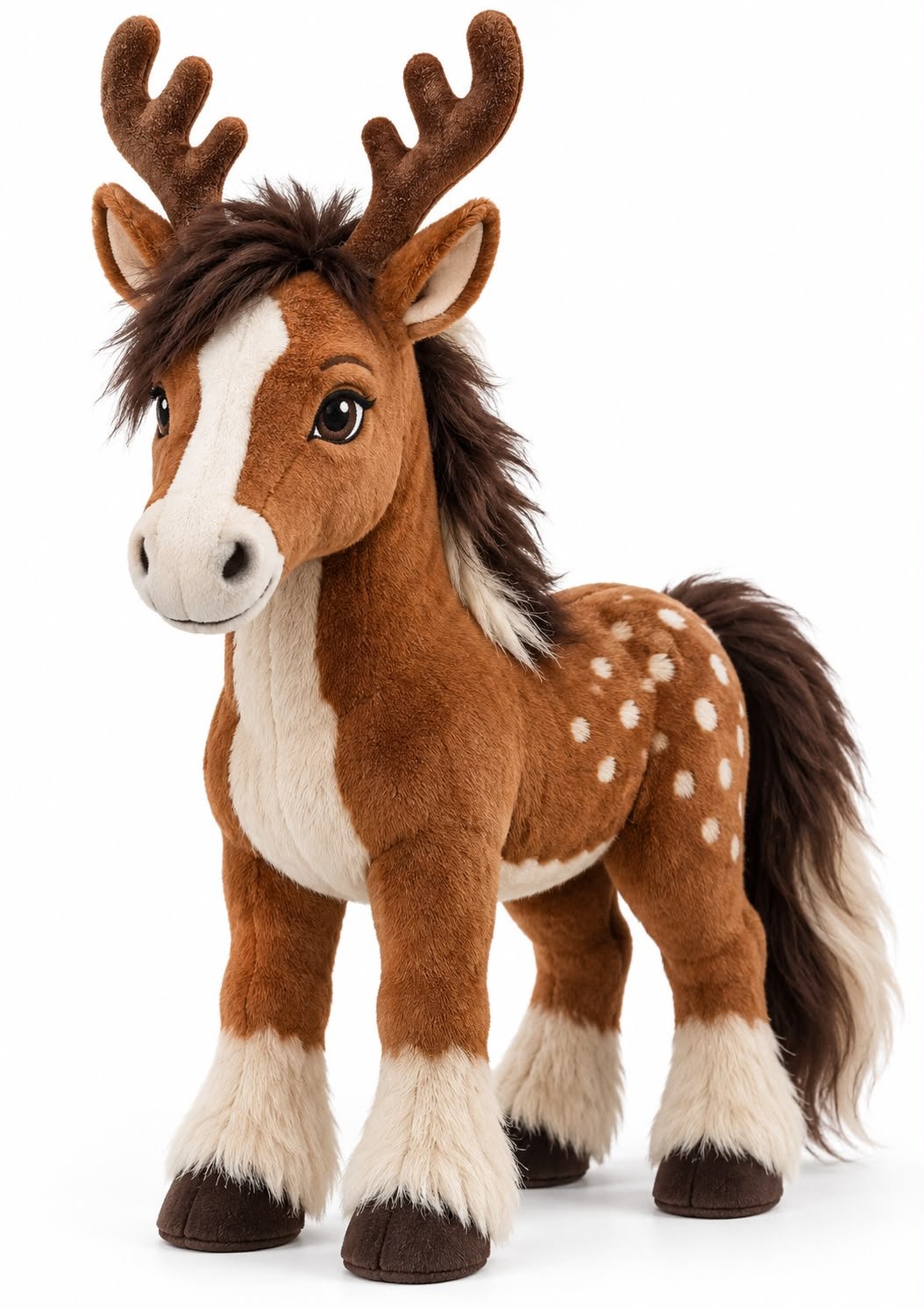
If you have a character, mascot, illustration, or original concept that you want to turn into a physical product, you can make your own plushies without having to build a manufacturing facility yourself. Tubby Toys helps businesses, startups, organizations, and brands turn custom concepts into physical plush products through sample development and bulk manufacturing.
The real challenge is not simply creating a cute character. It is converting a two-dimensional design into a three-dimensional product that looks accurate, feels good, can be manufactured consistently, and stays within your budget.
Whether you want a custom mascot, corporate gift, promotional product, collectible, or a completely new merchandise line, having a clear development process makes the journey much easier.
Make Your Own Plushies: From Your Idea to a Finished Product
The easiest way to make your own plushies is to begin with the design you already have.
You do not need a perfect technical drawing. A digital illustration, hand-drawn sketch, mascot artwork, character reference, or even a basic concept can be used as the starting point.
Before contacting a manufacturer, prepare as much information as possible:
- Desired plush size
- Front, side, and back references
- Colors
- Fabric preferences
- Facial details
- Clothing and accessories
- Approximate quantity
- Intended use
- Target budget
- Required delivery date
The manufacturer then studies the design and determines how it can be converted into a physical plush.
This involves creating patterns, selecting suitable fabrics, deciding how different parts should be stitched, determining stuffing requirements, and working out how the character will maintain its shape.
A design that looks simple on a screen can become surprisingly complex when converted into a real product. Ears, tails, hands, feet, facial curves, clothing, and accessories all require practical construction.
The goal is to make your own plushies while preserving the visual identity of your original character.
Custom plush toy manufacturer
Choosing the right custom plush toy manufacturer can determine whether your project moves smoothly from concept to production or becomes a series of expensive revisions.
A manufacturer should be able to understand both the creative and technical sides of your product.
Ask about the complete process:
Design review → Pattern development → Sample → Revisions → Approval → Bulk production → Quality inspection → Dispatch
This process is particularly important for completely customized products.
Instead of ordering thousands of pieces immediately, developing a physical sample allows you to inspect the actual product before making a large investment.
You can check whether the face looks correct, whether the proportions match the artwork, whether the stuffing is appropriate, and whether clothing or accessories sit properly.
If something is wrong, it can be corrected during sampling instead of after mass production.
That makes it much safer to make your own plushies for commercial purposes.
Find a plush toy manufacturer for my custom plush design
If you are searching online for “find a plush toy manufacturer for my custom plush design,” do not make your decision based only on the lowest quotation.
First, determine whether the manufacturer actually develops custom products.
Ask whether they can work from your artwork and whether they provide physical samples before bulk production.
It is also useful to provide multiple references. A front view alone may not communicate the complete construction of a character.
If possible, provide front, back, side, and close-up views along with notes about important design details.
For international buyers, a plush toy manufacturer based in India can be an option worth considering. India has manufacturing capabilities across textile cutting, stitching, embroidery, stuffing, finishing, and related processes.
Working directly with a manufacturer can also make communication about design changes, quantities, specifications, and production requirements more straightforward.
The objective is to find a manufacturing partner who understands what you are trying to create—not simply someone who can produce a generic plush toy.
Best Plush toys manufacturer for startups
Finding the Best Plush toys manufacturer for startups requires looking at the entire product-development process rather than just the factory's production capacity.
Startups often have limited initial budgets and uncertain demand. You may have a strong character but have no idea whether you should order 100, 500, 1,000, or more pieces.
The solution is to separate development from bulk manufacturing.
Begin with a sample. Review the physical product. Make necessary changes. Finalize the specifications. Then decide on the production quantity.
For smaller custom projects, an MOQ of around 100 pieces per design may be possible depending on the product. Larger quantities can often provide better per-unit economics.
If you want to make your own plushies as a new business product, do not automatically assume that the largest possible order is the smartest choice.
Your production quantity should be connected to your expected demand, available capital, storage capacity, sales channels, and launch strategy.
A slightly higher unit cost on a smaller first order can sometimes be preferable to holding a large amount of unsold inventory
Get designed your own plush toys
If you want to get designed your own plush toys, give the manufacturer a detailed design brief rather than sending only a single image.
Clearly identify which elements are essential and which elements can be adapted for manufacturing.
This is especially important when your character contains complicated shapes, embroidery, printed artwork, clothing, miniature accessories, or unusual proportions.
A manufacturer may recommend changing a particular construction method without changing the appearance of the character.
For example, an accessory might be redesigned to reduce stitching complexity while maintaining the same visual appearance.
The physical sample is where these decisions become much easier to evaluate.
When you make your own plushies, inspect the sample from every angle—not just the front.
Look at:
- Facial expression
- Eye and mouth placement
- Head-to-body proportions
- Side profile
- Back construction
- Arms and legs
- Tail position
- Fabric texture
- Stuffing firmness
- Stitching
- Clothing
- Accessories
- Overall stability
A plush toy is a three-dimensional product. It needs to look correct from multiple directions.
Custom Plush Mascots for Brands and Organizations
One of the strongest applications of custom plush manufacturing is the development of plush mascots.
Universities, sports organizations, companies, startups, events, and other organizations can turn an existing mascot into a physical collectible.
A mascot that previously existed only on a website, poster, uniform, or social media graphic can become something customers, employees, students, or fans can physically hold.
Custom plush mascots can be used for:
- Promotional campaigns
- Events
- Merchandise
- Fundraising
- Customer rewards
- Employee gifts
- Brand activations
- Retail products
The same process applies: develop the design, create a sample, review the physical result, make revisions, and approve the final specifications before bulk manufacturing.
If you already have a mascot, you may not need to create a completely new character to make your own plushies. Your existing brand asset can become the foundation for the product.
Custom Plush Toys as Corporate Gifts
Corporate gifting is another practical use for custom plush products.
Instead of giving a standard promotional item, companies can develop a plush character around their brand, campaign, product, event, or internal identity.
A customized plush can be used for conferences, product launches, employee appreciation, customer gifting, promotional campaigns, and special events.
The design can incorporate company colors, characters, logos, clothing, or other recognizable elements.
This makes the product more closely connected to the company rather than functioning as a generic promotional item.
For companies ordering in bulk, developing the sample first helps ensure that the final product represents the brand correctly before a larger quantity is manufactured.
Plan Your Plush Toy Timeline Before Production
A major part of learning how to make your own plushies commercially is understanding that sampling and production require different amounts of time.
A typical project follows this sequence:
Design submission → Design review → Sample development → Sample revisions → Final approval → Bulk production → Quality inspection → Dispatch
The timeline depends on the complexity of the design, the number of revisions, material requirements, quantity, and production schedule.
A simple character can be easier to develop than a mascot with multiple clothing pieces, accessories, embroidery details, or unusual construction.
If you need the finished plush for a trade show, festival, product launch, corporate event, or seasonal campaign, work backward from your required delivery date.
Do not plan only around the bulk-production period. Leave sufficient time for sample development, feedback, revisions, approval, packaging, and shipping.
This is one of the simplest ways to avoid last-minute manufacturing pressure.
Make Your Own Plushies Within Your Budget
To make your own plushies affordably, focus on controlling manufacturing complexity rather than simply choosing the cheapest materials.
Several factors influence the final cost:
- Plush size
- Fabric quality
- Number of colors
- Construction complexity
- Embroidery
- Printing
- Clothing
- Accessories
- Packaging
- Production quantity
If your budget is limited, unnecessary complexity can often be removed without damaging the character.
For example, a complicated accessory may be simplified, the number of fabric panels may be reduced, or the product size may be optimized.
The goal is to protect the features that make your character recognizable while avoiding manufacturing details that add cost without adding meaningful value.
Quantity is another important factor. Larger production runs can improve the economics per piece, but ordering more than you can sell creates inventory risk.
A good manufacturing plan therefore considers both unit cost and total investment.
From Concept to Bulk Production
The ability to make your own plushies means you can turn an original idea into a physical commercial product without designing an entirely new manufacturing system yourself.
The process can start with something as simple as a sketch and develop into a finished mascot, corporate gift, collectible, promotional product, or merchandise line.
The most effective approach is straightforward:
Start with a clear design. Develop a physical sample. Inspect it carefully. Make the required revisions. Finalize the specifications. Then move into bulk production.
Whether you are a startup testing its first product, an established company developing corporate gifts, or an organization turning its mascot into merchandise, the same principle applies: solve the design and manufacturing challenges before committing to large-scale production.
With proper planning around design, sampling, quantity, timeline, and budget, you can make your own plushies and turn an idea into a product that is ready for customers, events, campaigns, and markets around the world.