

Blogs
What Goes Into Creating High Quality Custom Plush Toys
What Goes Into Creating High Quality Custom Plush Toys
Creating a plush toy that looks attractive, feels soft, and maintains consistency during production involves much more than basic stitching and stuffing. Behind every finished product is a process that includes understanding the customer’s idea, selecting suitable materials, refining samples, maintaining quality during production, and balancing creativity with practical business requirements.
Today, businesses across gifting, branding, retail, events, and promotional industries are increasingly looking for high quality custom plush toys that represent their ideas more professionally. Whether it is a mascot character, branded merchandise product, retail toy, or promotional giveaway, careful planning and detailing play an important role throughout the entire process.
At Tubby Toys, every project begins with understanding not only the appearance of the toy, but also the purpose behind it. Different products come with different expectations related to softness, detailing, pricing, branding, and target audience. Understanding these details early helps create better production solutions and smoother development.
Turning an Idea Into a Physical Toy
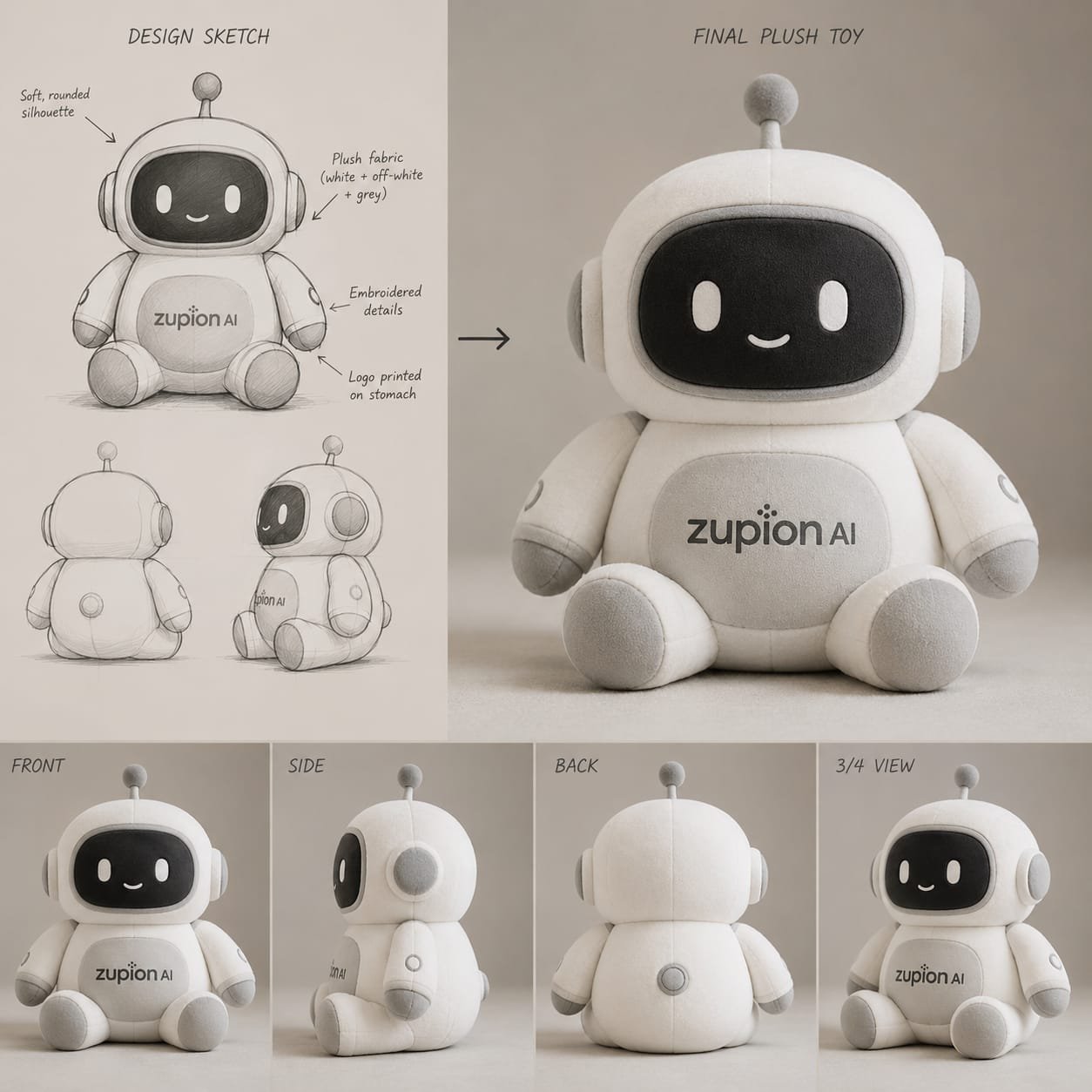
One of the most important stages in plush product development is turning an idea into a physical toy. Customers often approach with sketches, reference images, digital artwork, or even simple concepts that need further development before production begins.
The Tubby Toys team connects closely with customers to understand:
- the idea behind the toy,
- the intended use,
- branding expectations,
- customization details,
- target audience,
- and the overall vision they want to achieve.
These discussions help identify practical production approaches based on the customer’s requirement rather than following the same process for every project.
- Certain toys may require:
- premium softness,
- stronger shape retention,
- embroidered detailing,
- customized clothing,
- or specific fabric textures.
- Understanding these requirements from the beginning helps reduce confusion during sampling and production.
For many businesses, the product is also connected to their branding and resale plans. Discussing the commercial side of the project helps balance product appearance with practical production planning and budget expectations.
Understanding the Character Development Process
The character development process plays a major role in how the final plush product appears. A design that looks appealing in artwork may still require several modifications before it can be converted into a production-friendly toy.
During development, attention is usually given to:
- proportions,
- facial expressions,
- embroidery placement,
- color combinations,
- shape balance,
and softness consistency.
Creating accurate samples becomes important because even small adjustments can significantly affect the final result. Multiple correction rounds are therefore a normal and important part of the sampling process.
At Tubby Toys, customer feedback during development helps refine the product gradually before moving into production. These correction rounds help improve visual accuracy, detailing, and overall presentation quality.
The character development process also helps identify technical and production-related considerations, especially for products involving:
- multiple fabric sections,
- printed elements,
- customized accessories,
- or detailed embroidery work.
A properly refined sample helps improve consistency during bulk manufacturing and reduces confusion later in production.
Choosing Materials for Better Product Quality
Material selection directly affects softness, durability, appearance, and the overall feel of the toy. Different products require different fabric combinations depending on the intended use and customer preference.
Some plush products may use:
- fur fabrics,
- velboa,
- sherpa,
- fleece,
- or other soft plush materials.
- The selection usually depends on:
- texture preference,
- durability,
- washing requirements,
- softness level,
- and budget planning.
Stuffing materials also influence the final product significantly. The filling used inside the toy affects:
- softness,
- comfort,
- weight balance,
- and shape retention.
- Depending on the project requirement, filling options may include:
- virgin polyester filling,
- recycled polyester filling,
- or organic cotton filling for special-purpose products.
Certain products may require extra softness for gifting and children’s products, while others may need firmer stuffing for better display and retail presentation.
Careful material planning helps improve both visual quality and product usability.
Developing Highly Detailed Plush Mascots for Brands
Mascot-based products often require a higher level of attention compared to standard plush toys. Businesses, educational institutions, sports organizations, and brands usually expect their mascot to closely match the original character while maintaining softness, durability, and visual appeal.
Developing a mascot in plush form involves carefully translating artwork, logos, costumes, facial expressions, and unique character features into a three-dimensional product. This process often requires additional refinement during the sampling stage to ensure the final result accurately represents the original design.
At Tubby Toys, the development team works closely with customers to understand the character's identity, intended use, and branding objectives before production begins. Multiple review and correction rounds help improve shape accuracy, detailing, embroidery placement, and overall presentation.
This approach helps create mascot products that are suitable for:
- brand promotions,
- corporate events,
- educational institutions,
- sports teams,
- retail merchandise,
- and marketing campaigns.
For projects requiring intricate detailing, careful planning during the character development process and sampling stage helps achieve better visual accuracy and consistency during production.
Quick Turnaround Plush Toys for Corporate Gifting Solutions
Corporate gifting requirements often operate within strict timelines. Product launches, employee engagement activities, festive gifting campaigns, conferences, and promotional events frequently require customized products to be delivered within a specific schedule.
To support such requirements, production planning becomes just as important as design development. Efficient coordination between sampling, material sourcing, manufacturing, and quality inspection helps reduce delays while maintaining product standards.
At Tubby Toys, customized plush products can be developed for various corporate gifting applications, including:
- employee welcome kits,
- promotional giveaways,
- event merchandise,
- festive gifting campaigns,
- customer appreciation gifts,
- and branded marketing initiatives.
Early planning and clear project requirements help streamline development and production timelines, allowing businesses to receive customized products within their required schedules.
Whether the requirement involves a simple promotional product or a detailed mascot-based design, efficient production management helps ensure consistency and timely delivery without compromising product quality.
Precision Production and Consistency
A good sample alone is not enough. Maintaining the same quality throughout production is equally important.
Producing high quality custom plush toys requires consistency across multiple stages including:
- cutting,
- stitching,
- embroidery,
- stuffing balance,
- and finishing inspection.
At Tubby Toys, advanced machines and precision tools help improve consistency during manufacturing. Careful production planning helps reduce variation in:
- stitching quality,
- embroidery positioning,
- shape balance,
- and overall appearance.
- This becomes especially important for products with:
- detailed embroidery,
- multiple color panels,
- customized branding,
- clothing accessories,
- or complex design elements.
Even small inconsistencies can affect the overall appearance of the product. Regular quality checks during production therefore help maintain better finishing and presentation standards.
Precision production also becomes important for repeat orders where maintaining similarity between batches is necessary.
The Importance of Toy Finishing and Detailing
Toy finishing and detailing play an important role in how premium the final product appears. Even a well-designed plush product can lose its appeal if finishing quality is inconsistent.
Final detailing may include:
- embroidery finishing,
- trimming excess threads,
- balancing stuffing,
- attaching customized tags,
- logo placement,
- accessory fixing,
- and packaging preparation.
Toy finishing and detailing also influence how professionally the product represents the customer’s brand or concept.
At Tubby Toys, careful inspection during finishing helps improve:
- stitching cleanliness,
- detailing consistency,
- embroidery alignment,
- and overall product presentation.
Packaging preparation also becomes important for products intended for:
- gifting,
- retail shelves,
- promotional campaigns,
- or branded merchandise.
Good finishing not only improves appearance but also contributes to better customer experience and product value.
Low MOQ for Custom Plush Toys India and Flexible Budget for Custom Plush Toys Worldwide
Different businesses often require different production quantities and budget planning depending on the purpose of the product.
Low MOQ for custom plush toys India has become increasingly important for startups, small businesses, schools, event organizers, and independent creators who may not want to begin with very large quantities.
At Tubby Toys, production can start from as low as 100 pieces per design depending on the project requirement. This flexibility helps businesses:
test new ideas,
manage inventory more efficiently,
reduce initial investment pressure,
and validate market demand before scaling production further.
Low MOQ for custom plush toys India is especially useful for:
startup launches,
limited-edition products,
event merchandise,
customized gifting,
and promotional campaigns.
At the same time, flexible budget for custom plush toys worldwide allows products to be planned according to different market expectations, resale pricing, and branding requirements.
Some customers may prefer:
- premium fabrics,
- detailed embroidery,
- customized clothing,
- or enhanced finishing.
- Others may focus more on:
- practical production planning,
- simpler detailing,
- or cost optimization for larger distribution.
At Tubby Toys, customization planning is usually balanced according to:
design expectations,
production feasibility,
branding requirements,
and target budget.
While the primary focus remains supporting businesses within India, certain projects may also involve international gifting, branding, retail, and promotional requirements through dedicated global coordination support.
Conclusion
Creating high quality custom plush toys requires a combination of creative understanding, technical precision, suitable material selection, and production consistency. Every stage, from turning an idea into a physical toy to final inspection and packaging, contributes to the overall quality of the finished product.
Careful sampling, production precision, toy finishing and detailing, suitable stuffing materials, and flexible production planning all help create products that are both visually appealing and commercially practical. As businesses continue exploring customized products for branding, gifting, retail, and promotional use, the demand for better plush product development continues to grow across India and worldwide.
Pulsando di attesa, i rulli ricostruiscono la propria altezza mentre le strutture Megaways sbloccano oltre centomila combinazioni vincenti. Dietro lo spettacolo stanno generatori certificati, valutazioni di volatilità pubblicate e condizioni di bonus scritte in linguaggio semplice. Scoprilo su https://vincispin.co.it/ casino, che si distingue per regole chiare e assistenza rapida sulle richieste.
Marzenie o tym pułapie to niemal rytuał: jego odległa, lecz realna obecność napędza każdy pojedynczy zakład prawdziwym podnieceniem. Licencjonowane platformy oprawiają ten dreszcz w hojne pakiety darmowych spinów i jawnie publikowane wskaźniki wypłat, więc emocje nie kosztują przejrzystości. Adrenalina z tej sekwencji sięga szczytu właśnie na Slot City Casino, gdzie każdy spin zdaje się gotowy wybuchnąć.
Netzwerkturniere machen aus einsamen Sitzungen ein Rennen, das den höchsten Multiplikator statt des dicksten Guthabens belohnt. Lizenzierte Häuser umgeben diesen Augenblick mit Willkommenspaketen, Testrunden ohne Einzahlung und Verifizierung lange vor jeder Auszahlung. Entdecke das bei https://betalice-de.com/ Casino, wo der Nervenkitzel jeder Runde bis zum letzten eingesetzten Cent erhalten bleibt.
Wie ein Fluss aus unzähligen Zuflüssen schwellen verbundene Jackpots rund um die Uhr an, bis ein glücklicher Dreh sie freigibt. Ernsthafte Plattformen veröffentlichen ihre Ausschüttungsquoten monatlich und lassen Volatilität gegen realistische Erwartungen abwägen. Für alle, die Adrenalin, lesbare Bedingungen und zügige Auszahlungen zugleich suchen, bleibt die natürliche Anlaufstelle klar dendy casino.
Wie ein Glas, das sich langsam mit Gold füllt, frieren Hold-and-Win-Runden jedes landende Symbol ein, sobald der Zähler neu startet. Regulierte Häuser liefern diese Funktionen neben unabhängig geprüften Fairnesszertifikaten und rund um die Uhr erreichbarem Support. Wer jede dieser Mechaniken sofort ausprobieren möchte, findet das Feld bereits vorbereitet und übersichtlich geordnet bei gamblezen Casino.
Migliaia di scommettitori condividono un'unica classifica dal vivo, dove le posizioni ballano a ogni moltiplicatore centrato. I siti affidabili mantengono un supporto in chat attivo a ogni ora, con soluzioni concrete anziché risposte automatiche preconfezionate. Chiunque voglia passare dalla lettura alla pratica nel giro di pochi minuti apre semplicemente la pagina di https://bizzo-casino.it/.