Blogs
STEM Toys and Smart Toys: Let’s understand the difference

Introduction
At Tubby Toys and Florence Toys Factory, we believe that every toy has a purpose. Playtime is not just fun; it’s a child’s first classroom, a space where curiosity, creativity, and intelligence take shape. In this article, we’re going to dive deep into two of the most significant categories of modern learning through play: STEM toys and Smart toys. We will explore what these toys are, how they differ, their significance, and why parents and educators are placing so much importance on them today.
We’ll also discuss the broader value of interactive toys, and why at Tubby Toys, we are investing in building AI based toys that do much more than entertain. By the end, you’ll understand how both STEM toys and Smart toys contribute to a child’s cognitive, emotional, and developmental growth—and why these aren’t just toys, but tools shaping tomorrow’s thinkers and innovators.
What Are STEM Toys?

Let’s begin by understanding STEM toys. STEM stands for Science, Technology, Engineering, and Mathematics. These are toys specifically designed to expose children to key concepts in these fields through hands-on, playful learning.
Unlike traditional toys that might simply entertain, STEM toys encourage experimentation, logical reasoning, and problem-solving. They promote a child’s understanding of how things work—whether it’s a block tower, a spinning wheel, or a magnetic field. What’s more, STEM toys can come in any form—be it wooden, plastic, board games, motor-based, floating, or even robotic.
Let’s take a closer look at some examples of STEM toys and how they help kids learn in meaningful ways:
a) Wooden Building Blocks
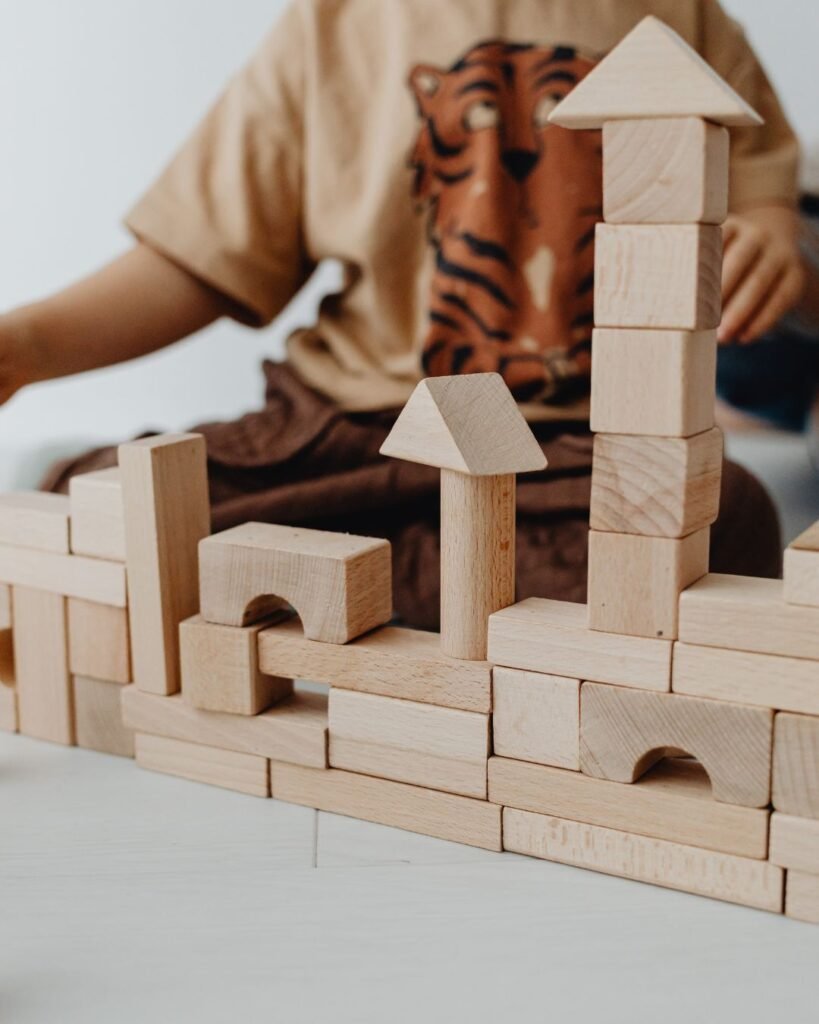
Classic yet powerful, wooden blocks are a brilliant example of STEM toys. They teach architectural basics—how broad bases provide stability and how shapes stack to form strong structures. This introduces children to the basics of civil engineering without them even realizing it.
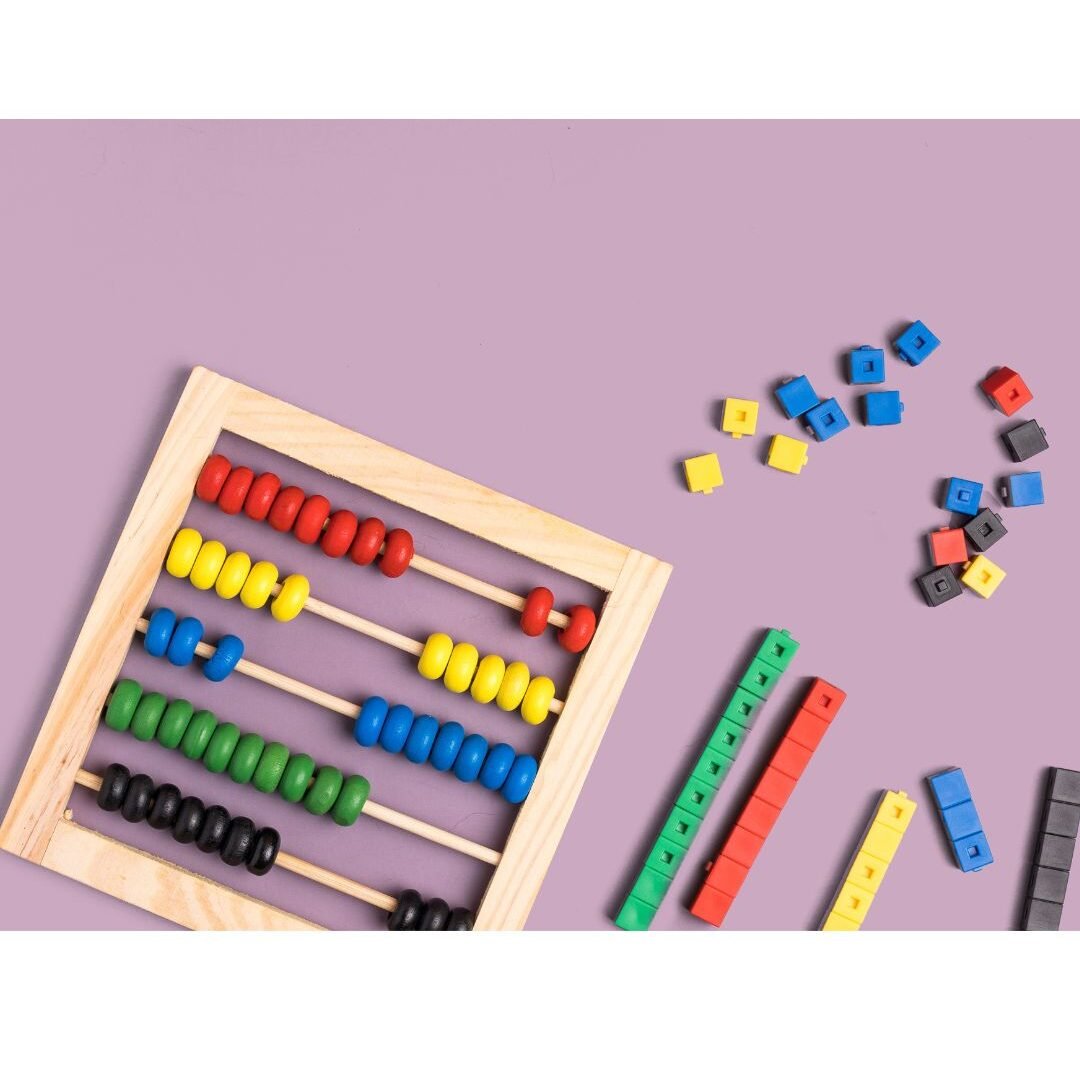
b) Abacus and Counting Toys
These timeless interactive tools promote early math skills. Kids develop a strong sense of numbers, patterns, and simple calculations, building a solid foundation in mathematics.
c) Wheel-Based Toys
Whether it’s a car, a wind-up scooter, or a robotic animal, toys with wheels offer insights into motion, energy transfer, and basic mechanical engineering. Even when a child disassembles these toys, they’re exploring the workings of motors and mechanisms—another core STEM activity.
d) Role-Play Kits: Doctor’s Set, Kitchen Sets, Garage Kits

These interactive toys help children understand professional roles and real-world systems. They learn how a doctor diagnoses or how food is cooked, developing not just creativity but also empathy and curiosity.
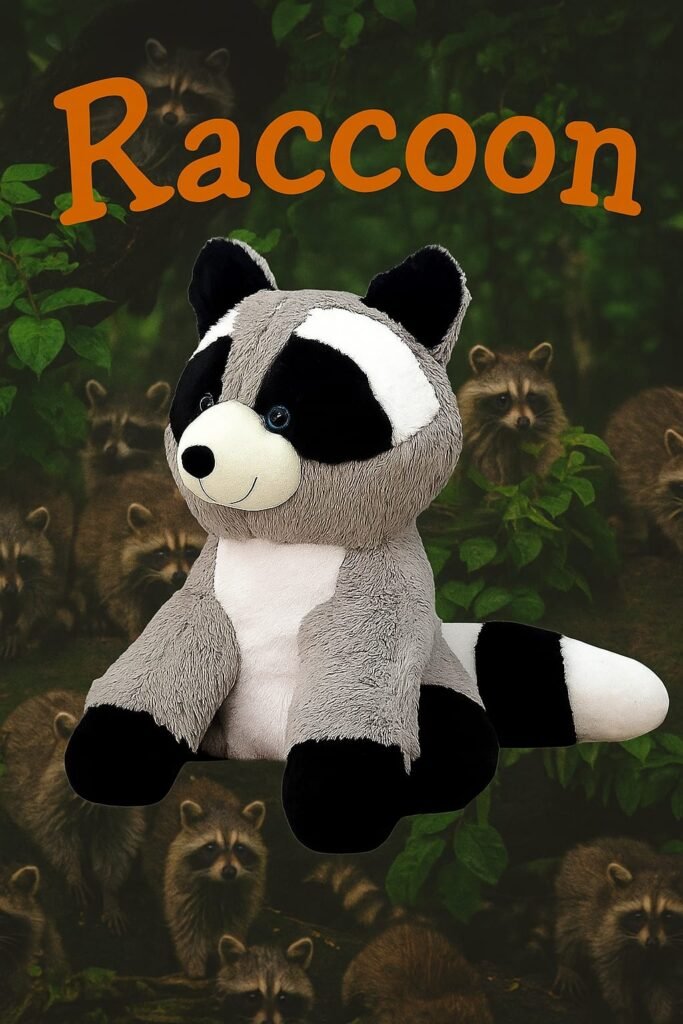
e) Animal Figurines and Ecosystem Sets
Learning through play about lions, elephants, dolphins, and birds, children become aware of the environment and wildlife. These STEM toys often support eco-conscious learning, teaching kids the value of nature and biodiversity.

f) Board Games and Strategy Cards
Games like chess, ludo, and memory cards build planning, critical thinking, and patience. They are among the most mentally stimulating STEM toys available.
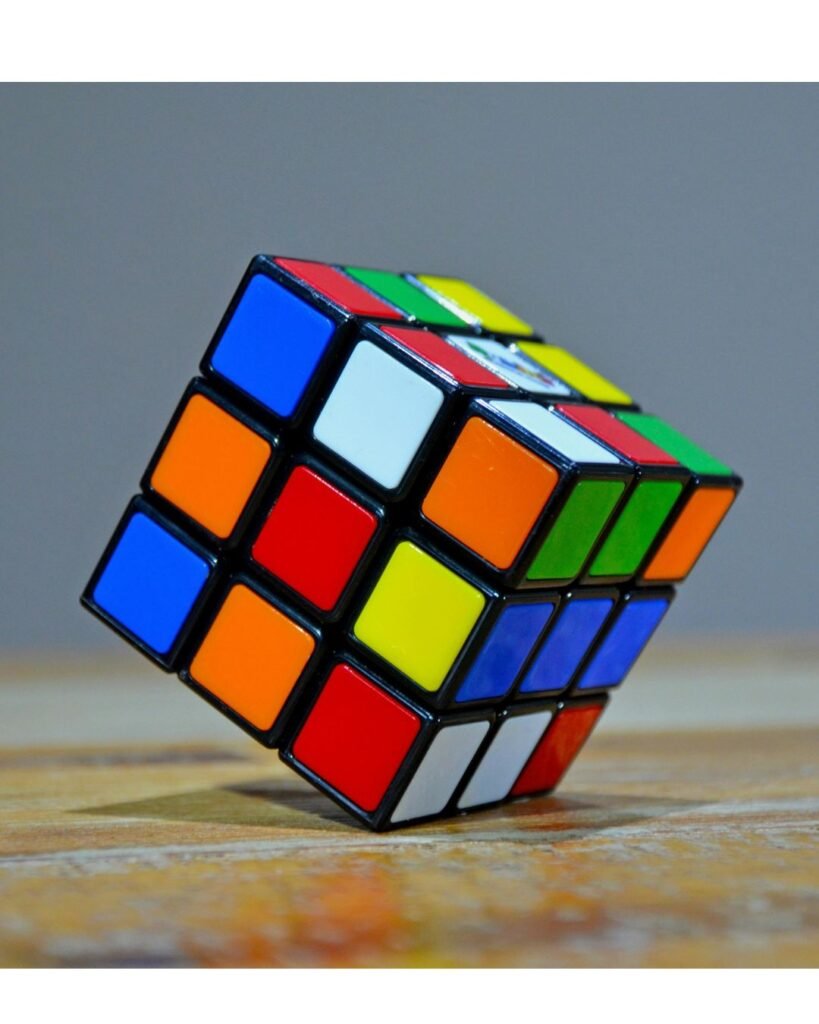
g) Rubik’s Cube and Brain Teasers
These toys are excellent for memory, focus, and understanding spatial patterns. They help children improve their problem-solving speed and visual memory.
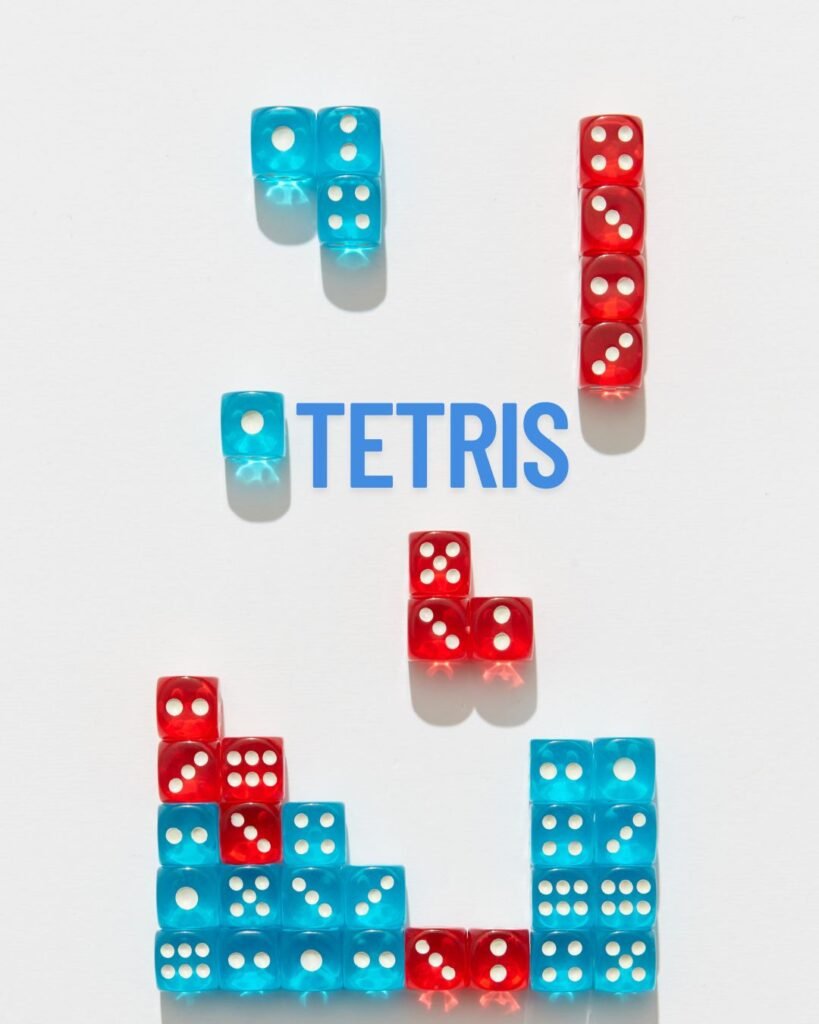
h) Video Games with Educational Purposes
Games like Tetris or puzzle-solving platforms can promote spatial intelligence and strategy. While not all games qualify, some have clear STEM elements and are highly interactive.
i) Interactive Story Books
Books that light up, speak, or respond to touch provide both entertainment and education. These interactive toys help children connect stories with reality, supporting both literacy and learning across subjects.
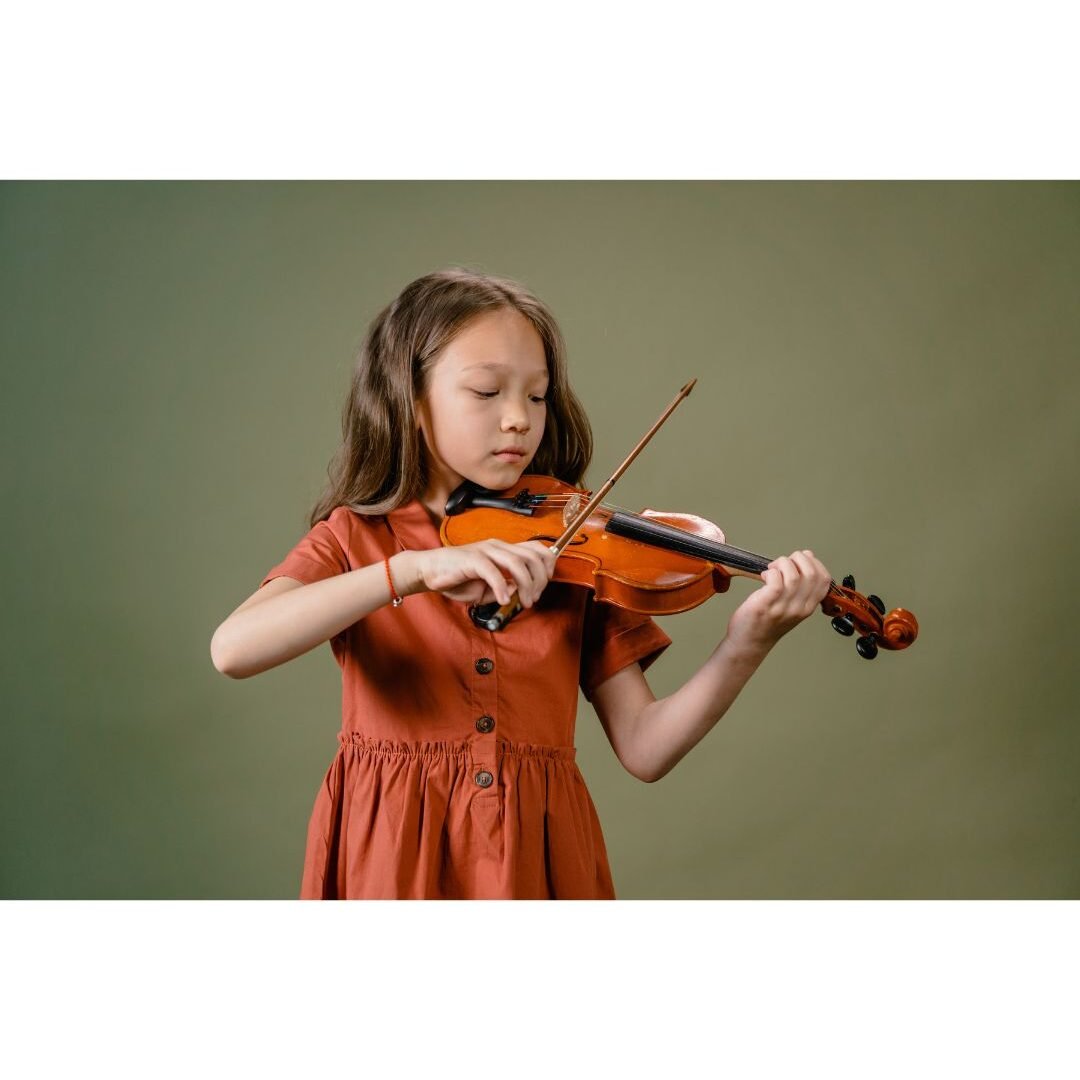
j) Musical Instruments for Kids
Small drums, keyboards, or guitars support emotional expression, hand-eye coordination, and rhythm awareness. They’re also considered STEM toys when they integrate sound science and auditory learning.
What Are Smart Toys?
Now that we understand STEM toys, let’s delve into Smart toys. These are the modern marvels of the toy world—interactive and technology-driven, often featuring embedded electronics, apps, sensors, and sometimes even artificial intelligence.
Where STEM toys are about building knowledge and skills through physical manipulation and learning concepts, Smart toys go a step further by being responsive. They listen, learn, talk, adapt, and sometimes even grow with the child.
Here are a few types of Smart toys:
a) Screen-Based Toys
These toys integrate a screen, often touch-based, and run child-friendly apps for learning shapes, letters, and more. They are like tablets but simplified into interactive toys for safe, educational use.
b) Toys That Sing, Dance, and Repeat
A favourite for many children—these Smart toys are responsive in sound and movement. Some sing songs, others dance with music, and some even record and mimic children’s voices, like the well-known “Talking Tom.” These interactions build emotional connections and teach cause and effect.
c) AI Based Toys
This is the future. AI based toys can recognise voices, adapt to learning levels, and even offer customised responses. Currently, this field is evolving. Very few companies are actively producing deeply intelligent AI based toys, as the technology is complex and still being refined.
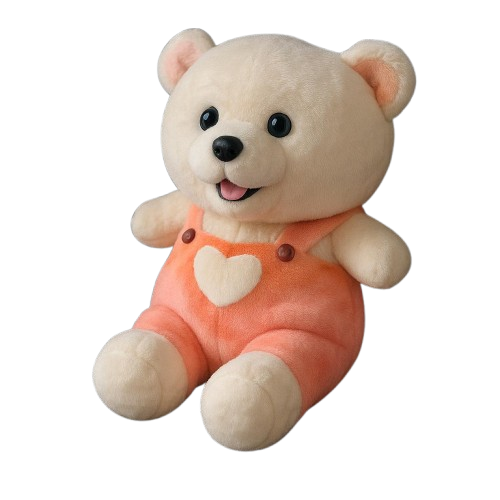
Tubby Toys and Florence Toys Factory: Leading the Smart Toy Revolution
At Tubby Toys and Florence Toys Factory, we are proud to be a part of this revolution. Our current focus is on building Smart toys that are not only entertaining but also intelligent and purpose-driven.
We understand one crucial fact: toys are always near kids—often more than adults are. This proximity makes toys one of the best ways to learn about a child’s mood, behaviour, and needs. This insight led us to begin developing AI based toys that don’t just interact but also gather helpful data.
These Smart toys will connect to an app, where parents and doctors can receive insights into a child’s learning pattern, emotional shifts, or even developmental milestones. The goal is simple—toys that bridge communication between babies and adults.
It’s a revolutionary idea, and we’ve taken the first step with Ollie: India’s First Smart Toy. To know more about how Ollie is changing the way kids play, learn, and grow, make sure to read our detailed article on it.
Conclusion
The world of toys is changing rapidly—and beautifully. From classic STEM toys that help kids understand science, maths, and engineering, to cutting-edge Smart toys and AI based toys that learn, interact, and grow with your child—the future of play is deeply interactive and intelligent.
As parents, educators, and innovators, it’s important we understand this difference and invest in toys that nurture rather than merely entertain. At Tubby Toys and Florence Toys, we’re not just making toys—we’re shaping the future of how children understand the world.
Let’s give our kids the right tools for tomorrow—let’s give them Smart toys, STEM toys, and a whole lot of imagination.