

Blogs
Corporate Plush Gifts: 8 Powerful Planning Decisions
Understanding corporate plush gifts
This guide to corporate plush gifts brings together eight practical considerations, a planning example, and questions to help you compare the choices that matter.
Corporate plush gifts work best when the recipient and occasion are defined before a mascot is chosen. An employee welcome, client thank-you, and trade-show giveaway do not need identical designs. The central challenge is to create an item people enjoy receiving while making the quantity, branding, timing, and distribution manageable for the organisation.
Eight priorities for corporate plush gifts
1. Choose the outcome before choosing the gift
A plush gift can welcome, celebrate, thank, or reinforce a character-led campaign. Those purposes call for different decisions. An onboarding item may need to suit a broad employee audience, while event merchandise may depend on recognition of a specific mascot.
Write one sentence describing the intended outcome and use it to assess the design. If a feature does not help that purpose, question whether it belongs in the order. A clear objective also makes later evaluation easier. Instead of declaring a campaign successful because the toys looked attractive, the team can examine whether distribution, recipient response, and the next intended action matched the original plan.
2. Identify who buys and who uses the toy
The purchaser and the recipient are often different people. A parent may prioritise care instructions, while a child notices the face. A corporate buyer needs reliable delivery, while an employee wants something worth keeping. A collector may examine proportions and edition details more closely than the packaging designer expects.
Write separate descriptions of the buyer and the user before developing the product. Include the setting in which each encounters it. This prevents a common mistake: designing an attractive object that is inconvenient to purchase, distribute, store, or maintain. A successful brief explains the whole journey, from first enquiry to the toy's place in everyday life.
3. Let the character carry some of the identity
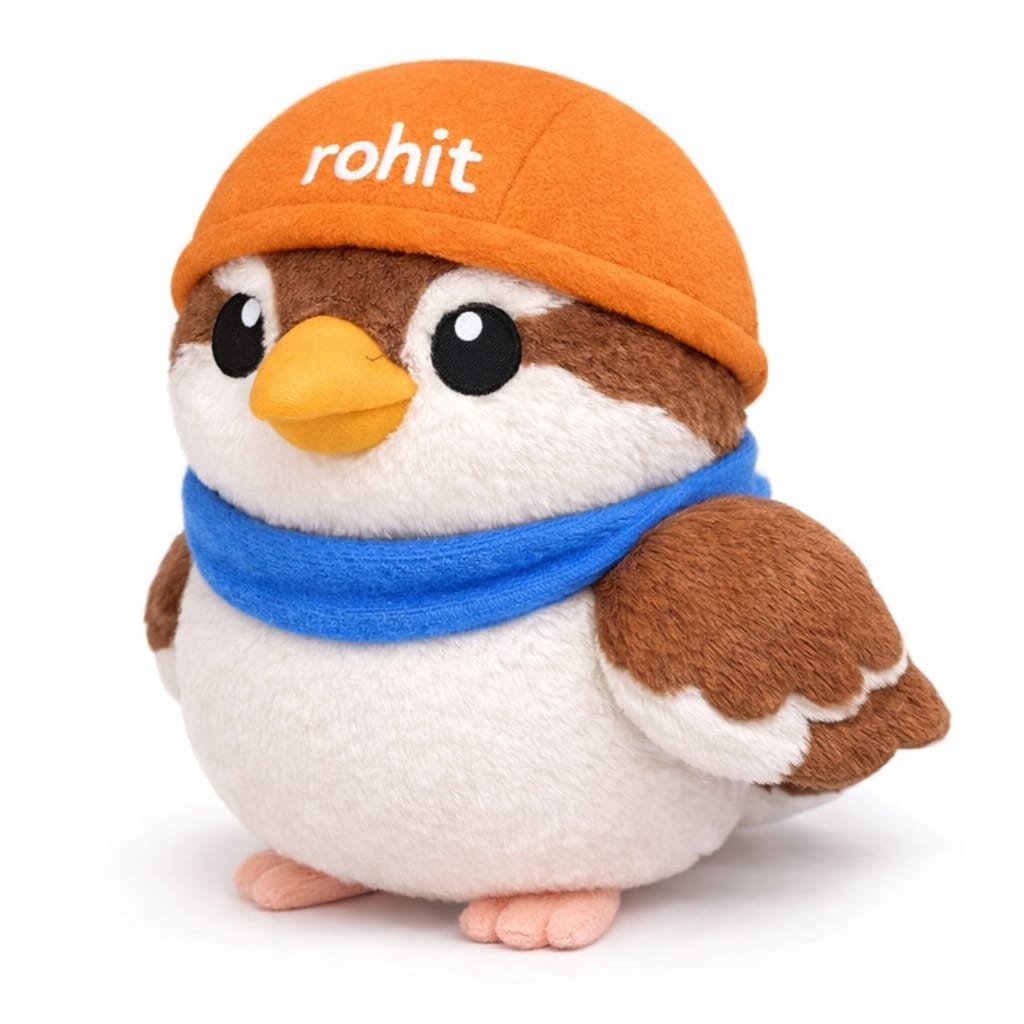
Branding does not have to cover every visible surface. A distinctive colour palette, shape, expression, or carefully placed mark can make a plush recognisable without overwhelming it. Think about whether the recipient would still enjoy displaying or keeping the item after the campaign ends.
Review the design with people outside the approval team. Ask what they notice first and whether they understand the character. Keep the product's appeal and the brand's communication in balance. A promotional object has a better chance of remaining useful when it feels considered as an object in its own right, rather than functioning only as a place to print a logo.
4. Test the gift against a varied audience
A corporate or institutional audience may include people with different tastes, ages, cultures, and expectations. Avoid assuming that everyone wants the same character, slogan, or style of presentation. Review whether the design communicates the intended message without relying on an inside joke that many recipients will not understand.
Where practical, gather feedback from a small and varied group. Offer a sensible alternative if the programme allows it. Consider storage, portability, and the way the item will be used after receipt. Thoughtful inclusion often emerges from these ordinary design and distribution choices, rather than from adding a broad claim to the campaign description.
5. Match the product to its route to the recipient
A toy handed over at an event has different requirements from one shipped individually to many addresses. Retail stock needs clear identification and display readiness. Corporate distribution may require recipient lists, consolidation points, or delivery confirmations.
Map that route before choosing the final size and packaging. Ask who handles each stage and what information they need. Check whether the product will remain packed for an extended period or be opened immediately. Designing around the actual distribution process reduces surprises, especially when a charming sample becomes hundreds of items that must be counted, moved, delivered, and presented consistently.
6. Work backwards from the date the toy is needed
The day goods must be available is not the day they should leave the factory. Work backwards through transport, receiving, inspection, packing, production, material preparation, and sample approval. Identify which steps depend on another being completed.
Assign an owner to decisions that could delay the order, especially artwork approval and sample feedback. Build a reasonable allowance for revisions and disruption. When timing becomes tight, reduce avoidable complexity rather than assuming every stage can be compressed. A transparent schedule helps the buyer and supplier decide what is feasible early, while there is still time to change the plan without sacrificing the purpose of the project.
7. Use a pilot to answer one important question
A trial becomes useful when the team knows what it is testing. It might examine whether the size works for delivery, whether the character is recognised, or whether recipients understand a campaign message. Avoid changing every feature at once and then trying to interpret the result.
Choose a representative setting and collect specific observations. Record practical friction as well as positive reactions: difficult packaging, unclear instructions, slow handling, or repeated questions. Decide in advance what would justify a larger order. This keeps the pilot from becoming a ceremonial approval exercise and turns it into a meaningful way to improve the final product or distribution plan.
8. Evaluate the campaign without inventing attribution
Recipient feedback, successful delivery, repeat use, and later enquiries can all help evaluate a gifting project. They do not prove that the plush alone caused a sale or changed brand loyalty. A campaign usually contains several activities happening at the same time.
Select measures that match the objective and acknowledge their limits. For example, distribution accuracy is a useful operational measure, while a voluntary follow-up survey can indicate recipient response. Keep tracking proportionate and respectful of privacy. The result should help the next project make better choices, rather than produce an impressive percentage that the underlying evidence cannot support.
A practical corporate plush gifts example
Illustrative planning example, not a Tubby Toys customer case study.
A company planning gifts for remote staff needs to consider individual delivery and the experience of opening a parcel at home. The same toy handed over at a conference would involve different packing and handling. The distribution choice can influence the design from the beginning.
Your corporate plush gifts decision checklist
| Decision area | What to establish |
|---|---|
| Purpose | Choose the intended recipient response. |
| Design | Balance character appeal with branding. |
| Delivery | Map the route to each recipient. |
| Evaluation | Use measures matched to the objective. |
Questions about corporate plush gifts
Where should you start with corporate plush gifts?
Start with the main purpose and the person who will use or buy the product. For this topic, a useful first task is to choose the intended recipient response. Write down the answer so that later comparisons use the same starting point.
What makes a useful corporate plush gifts comparison?
Compare options against the same requirements, using physical examples and written information where relevant. In particular, balance character appeal with branding. Record anything that remains uncertain; an unanswered question should not quietly become an assumed advantage.
What should happen before a larger commitment?
Resolve the most important uncertainty with a proportionate check or trial. Map the route to each recipient. Keep the result with the project notes, then use measures matched to the objective. This creates a clearer basis for proceeding, revising the plan, or choosing another option.
Next steps and further reading
If you are considering a product or bulk order, use corporate plush gifting enquiries as a starting point. Share the intended use, quantity, destination, and timing, and ask the team to confirm the available options for your brief. You can also explore Tubby Toys for further product information.
Further reference: US CPSC: toy safety business guidance. Check the current product-specific guidance where requirements or claims affect your decision.